‘Please walk on the grass’
Penryn Campus
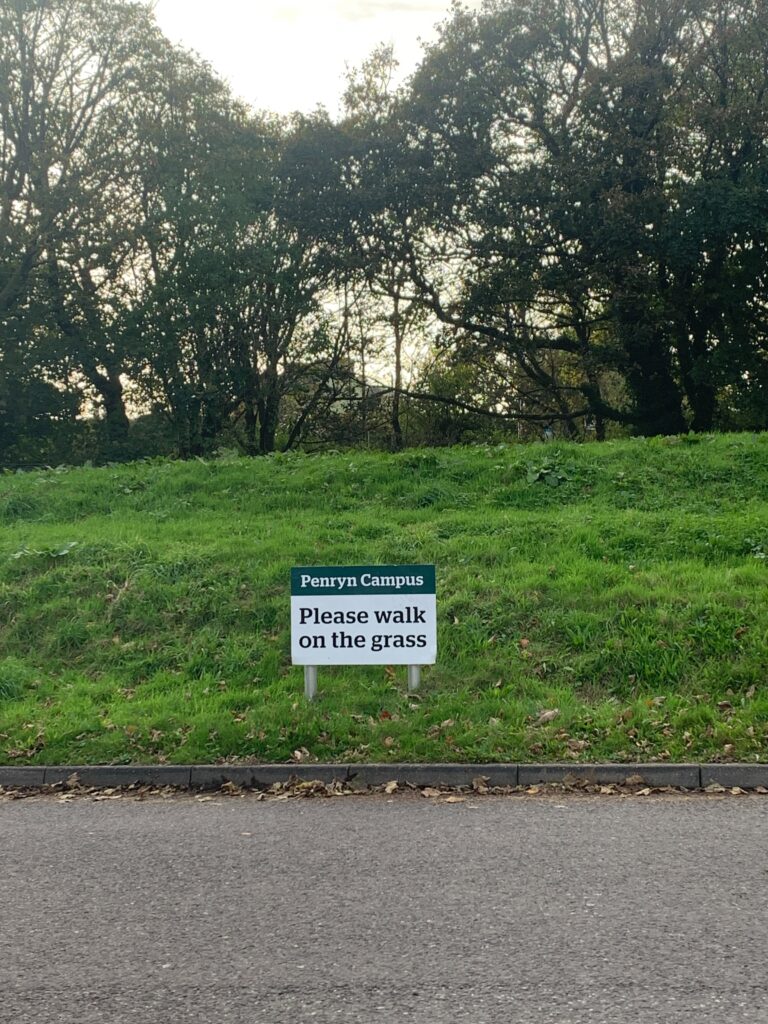
Penryn Campus locates atop a hill. Every time I go to school, I walk a path through the woods. Trees on either side form a canopy, partially obscuring the sky. On sunny days, golden light filters through the leaves, creating a shimmering effect. On rainy days, walking beneath this green arch, I can hear the rustling of leaves and the gentle trickle of water.
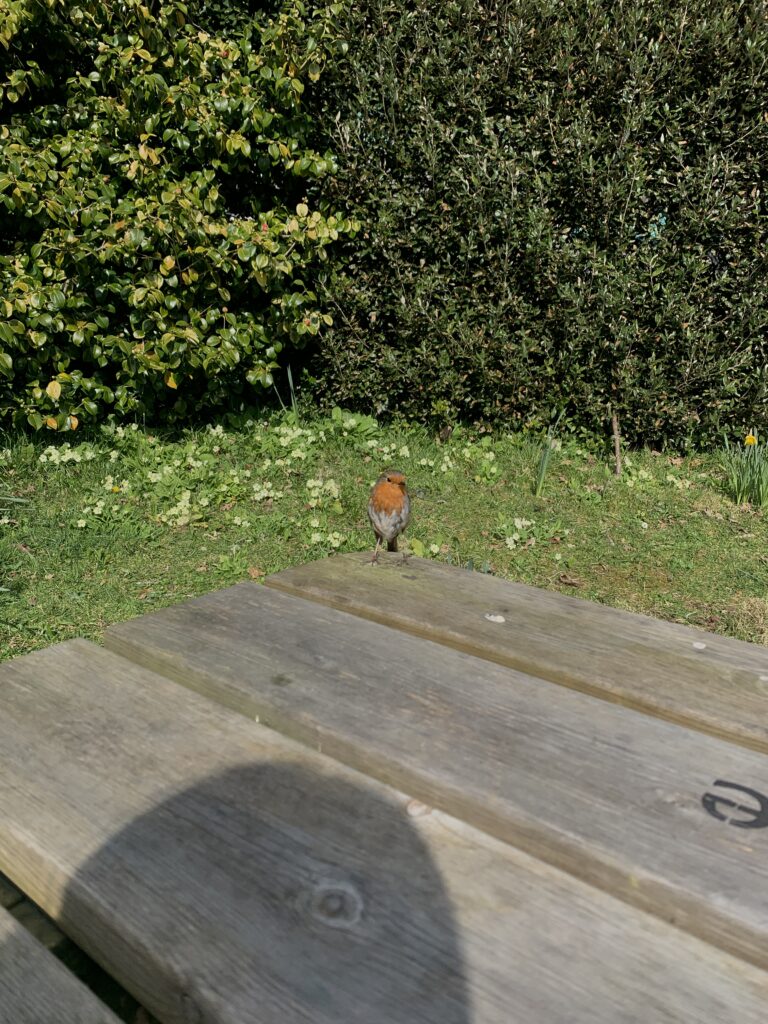
I no longer hesitate to walk on the grass, even if it’s muddy. I’ve developed a habit of wandering around, sitting quietly amidst the lush greenery, feeling a sense of lightness. The green spaces at Penryn Campus always help me breathe easier, gradually diminishing negative thoughts. At 25, I’m studying thousands of miles from home, learning new things in a completely different language. The trees, flowers, birds, squirrels, cats, and dogs… every patch of green at Penryn Campus offers comfort and encouragement. They are my first friends in this unfamiliar place.
“Sustainable development is development that meets the needs of the present without compromising the ability of future generations to meet their own needs.” (Brundtland, 1987)
If weeds and mud were all covered by concrete and asphalt, there would be no small flowers growing to soothe the loneliness and pressures I’m facing. If dead organic matter were all considered waste and thrown away, there would be no world of fungi to play its role in building ecosystems and creating economic value. I’ve come to understand that sustainability isn’t about slogans, posters plastered on streets, or treaties signed in black and white. Here, I realize I’m a small link in the natural cycle. I understand that living sustainably is my mission, and pursuing sustainable development is my role in maintaining the small, wonderful lives I see every day.
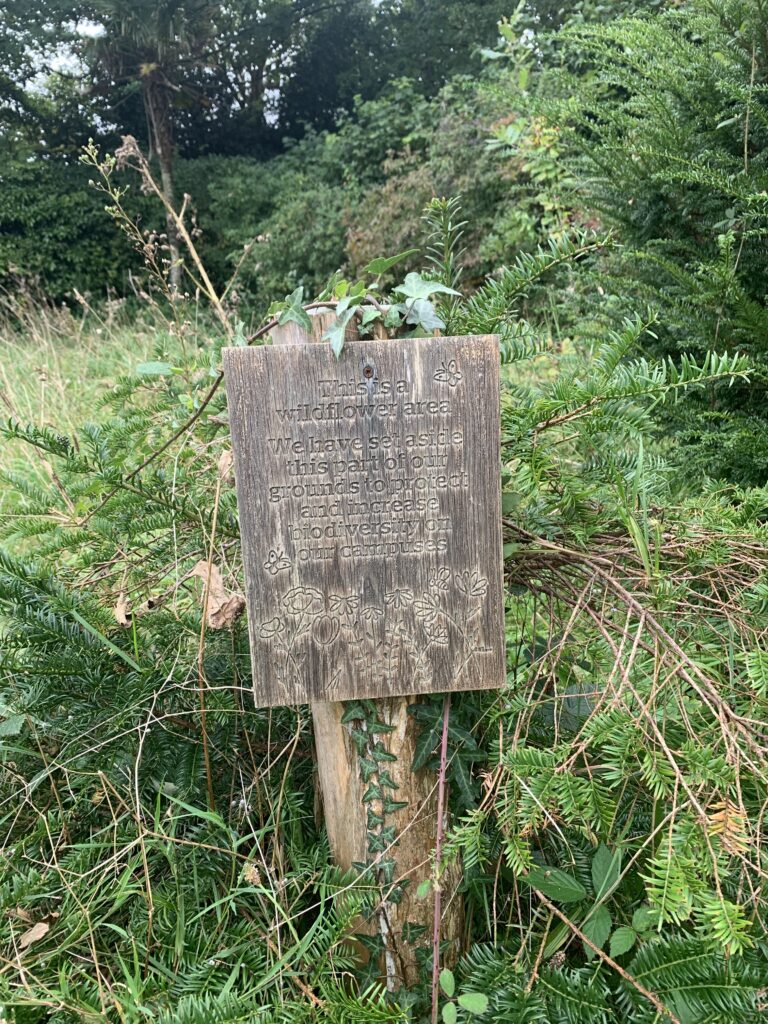
Every sign at Penryn Campus teaches me something. About appreciating nature – because no dead plant is considered waste – and about conservation – with dedicated areas for wildflowers to enhance biodiversity on campus.
Leave a Reply